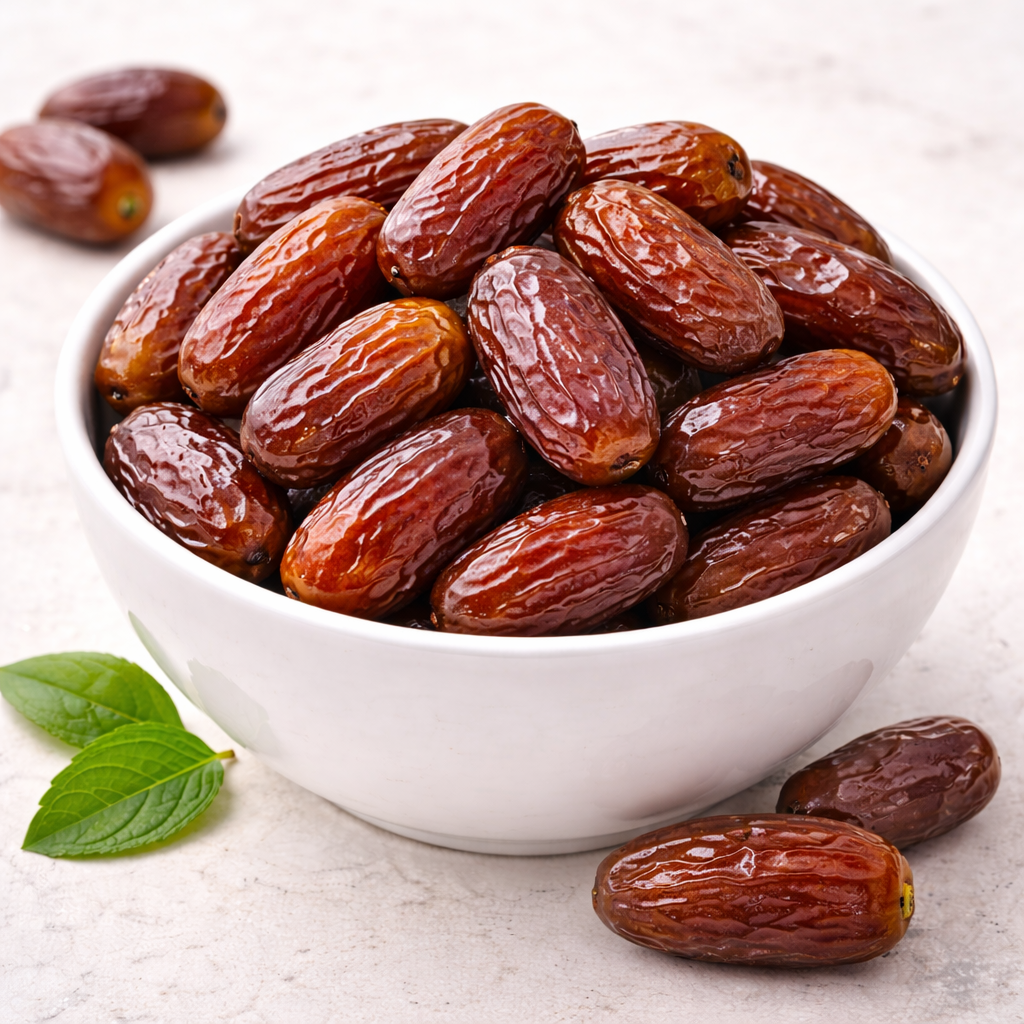
Dates are one of the oldest cultivated fruits, valued for their natural sweetness, soft flesh, and nourishing qualities. Grown primarily in warm, arid regions, dates range from semi-dry to soft varieties, each offering a unique texture and flavor profile. They are commonly eaten on their own as a snack or used in sweets, baking, smoothies, and traditional preparations. Dates blend well with nuts, dairy, and grains, making them versatile in both sweet and savory recipes. Their natural sugars provide quick energy, while their fiber content supports digestion. Dates are also popular during fasting periods and festive occasions due to their richness and satisfying nature. Whether enjoyed plain or incorporated into recipes, dates bring natural sweetness without the need for refined sugar.
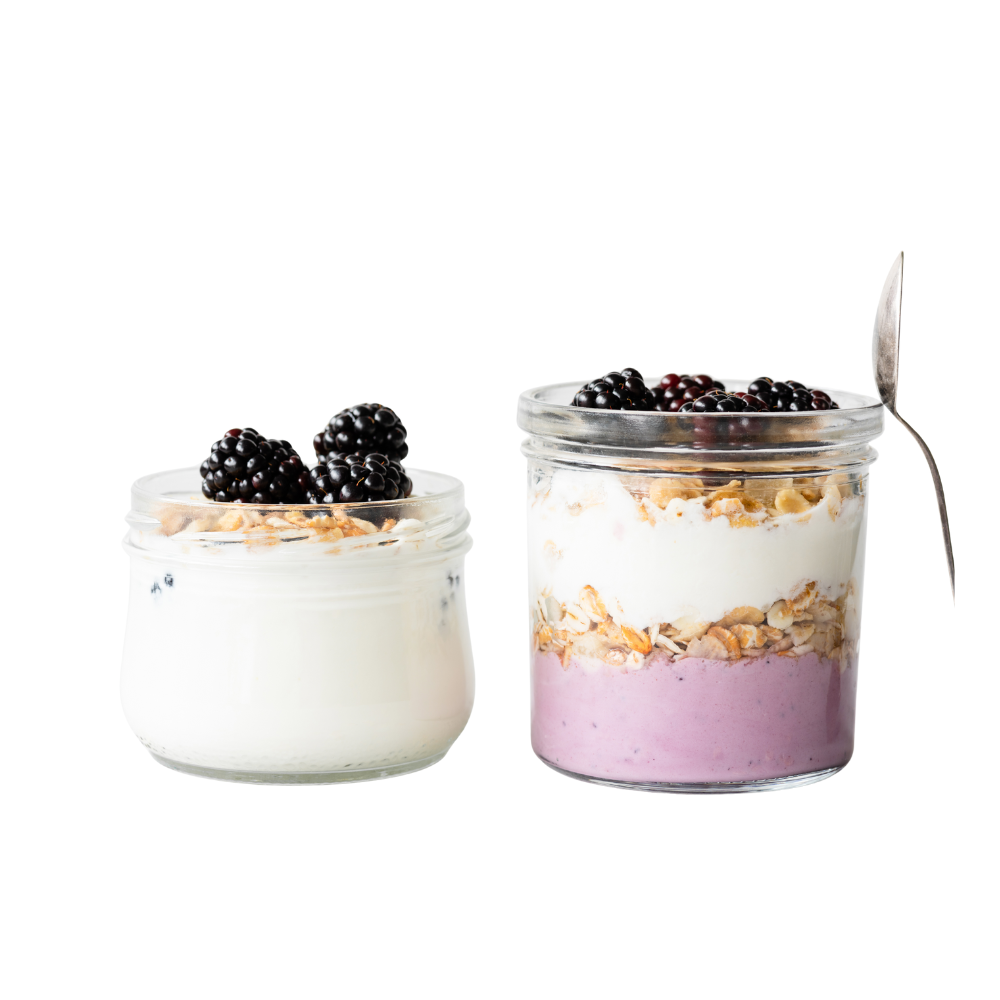
Dates are a good source of dietary fiber, potassium, magnesium, and antioxidants, supporting energy levels and digestive health. They are often used as a natural alternative to processed sweeteners in health-focused diets. Before consumption, dates may be pitted and lightly rinsed if required. They pair exceptionally well with almonds, pistachios, chocolate, yogurt, and cereals. Store dates in an airtight container in a cool, dry place; refrigeration can extend shelf life for softer varieties. Because of their dense sweetness, a small portion is often enough to satisfy cravings. Widely used in desserts, snacks, and traditional cuisines, dates are both nutritious and indulgent, making them a staple in dry-fruit assortments and everyday pantries.